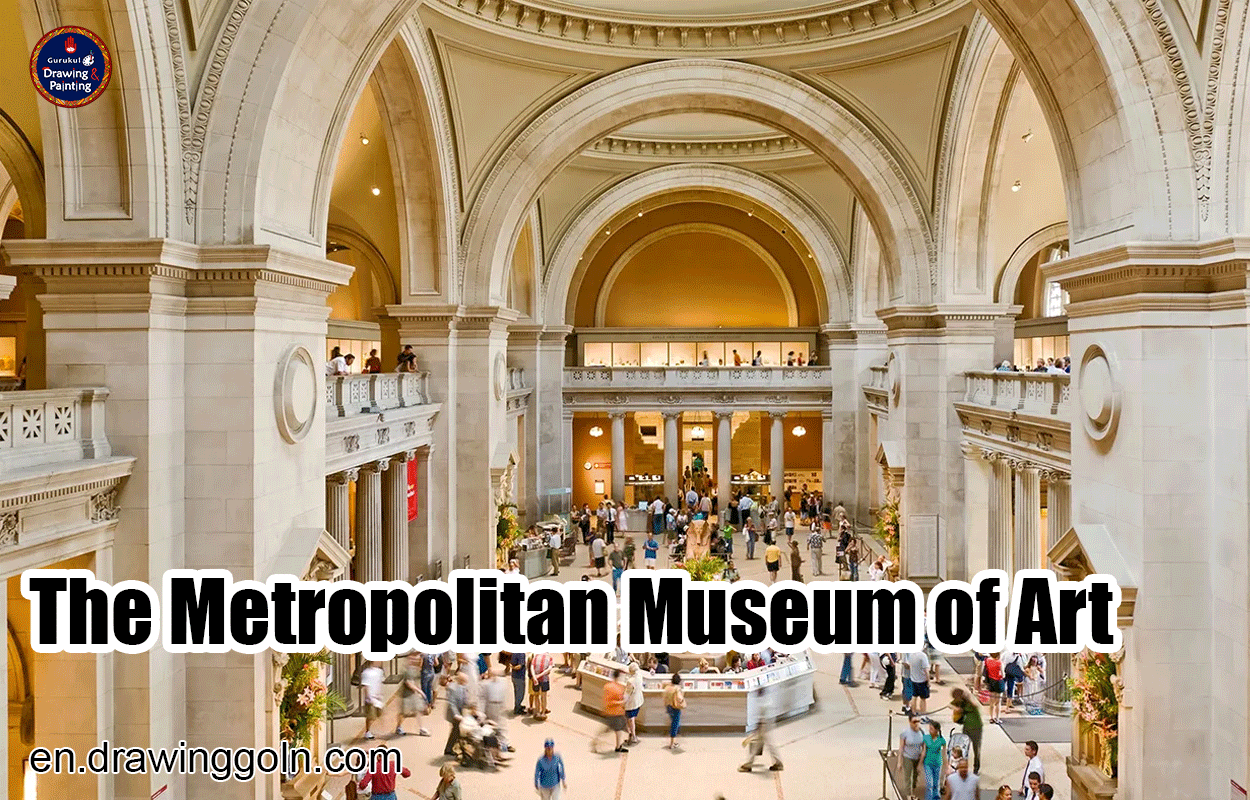
The Metropolitan Museum of Art, commonly known as The Met, stands as one of the world’s most prestigious and comprehensive art museums. Located in New York City, The Met houses an expansive collection of artworks that span over 5,000 years of history, representing various cultures and artistic movements. This article explores the significance, collections, and impact of The Met on the global art scene.
The Metropolitan Museum of Art
History and Founding
The Metropolitan Museum of Art was founded in 1870 by a group of American citizens, including businessmen, philanthropists, and artists, who aimed to create a museum that would provide access to the finest art for the American public. The museum’s first home was a modest building on Fifth Avenue, but as its collection and reputation grew, so did its space.
In 1880, The Met moved to its current location on the eastern edge of Central Park, a grand Beaux-Arts building designed by architects Calvert Vaux and Jacob Wrey Mould. The Met’s main building, known as the Met Fifth Avenue, has since undergone multiple expansions and renovations to accommodate its growing collection and visitor numbers.

Collections and Exhibitions
The Met’s collection is vast and diverse, encompassing over two million works of art. It is organized into several departments, each specializing in different periods, regions, and media. Some of the notable collections include:
– American Wing: This department showcases American art from the colonial period to the early 20th century, including paintings, sculptures, decorative arts, and period rooms. Highlights include works by Thomas Cole, John Singer Sargent, and Grant Wood.
– European Paintings: The European Paintings collection features masterpieces from the 13th through the 19th centuries. Visitors can admire works by renowned artists such as Rembrandt, Vermeer, Van Gogh, and Monet.
– Ancient Egyptian Art: This collection is one of the most comprehensive outside of Egypt, featuring mummies, sculptures, and artifacts that provide insights into ancient Egyptian civilization.
– Asian Art: The Met’s Asian Art collection spans thousands of years and includes works from China, Japan, Korea, and South and Southeast Asia. It encompasses paintings, sculptures, ceramics, and textiles.
– Costume Institute: The Costume Institute focuses on the history of fashion and includes an extensive collection of costumes and accessories, highlighting changes in fashion over the centuries.
In addition to its permanent collections, The Met hosts temporary exhibitions that explore specific themes, artists, or periods. These exhibitions offer fresh perspectives and allow visitors to engage with new and often underrepresented aspects of art history.
Educational Programs and Research
The Met is not only a museum but also a center for education and research. It offers a range of educational programs for visitors of all ages, including guided tours, lectures, workshops, and family activities. The museum’s education department works to make art accessible and engaging, fostering a deeper understanding and appreciation of the diverse works on display.
The Met also engages in scholarly research, contributing to the academic study of art and history. Its research libraries and archives support scholars, curators, and students in their investigations into art history, conservation, and museum practices.
Cultural Impact and Global Reach
The Metropolitan Museum of Art has a profound cultural impact both in the United States and globally. Its collection reflects the breadth and diversity of human creativity and cultural expression. By bringing together artworks from different cultures and periods, The Met fosters a greater appreciation of the shared human experience and the interconnectedness of artistic traditions.
The museum’s influence extends beyond its walls through its digital initiatives. The Met offers online access to its collections, publications, and educational resources, making its vast holdings accessible to a global audience. Virtual tours, digital catalogs, and online exhibitions allow people from around the world to explore and engage with The Met’s treasures.
Challenges and Future Directions
Like many cultural institutions, The Met faces challenges in the 21st century, including issues related to funding, representation, and sustainability. The museum continuously works to address these challenges by expanding its outreach efforts, diversifying its collection, and engaging with contemporary issues.
The Met’s leadership is committed to ensuring that the museum remains relevant and accessible to future generations. This involves embracing new technologies, fostering innovative programming, and continuing to build on its rich legacy of artistic and cultural excellence.
The Metropolitan Museum of Art stands as a testament to the enduring power of art to inspire, educate, and connect people across cultures and generations. Its vast and diverse collection, combined with its commitment to education and research, makes The Met a beacon of artistic excellence and cultural enrichment. As it continues to evolve and adapt to the changing world, The Met will undoubtedly remain a central institution in the global art landscape, celebrating the beauty and significance of human creativity for years to come.